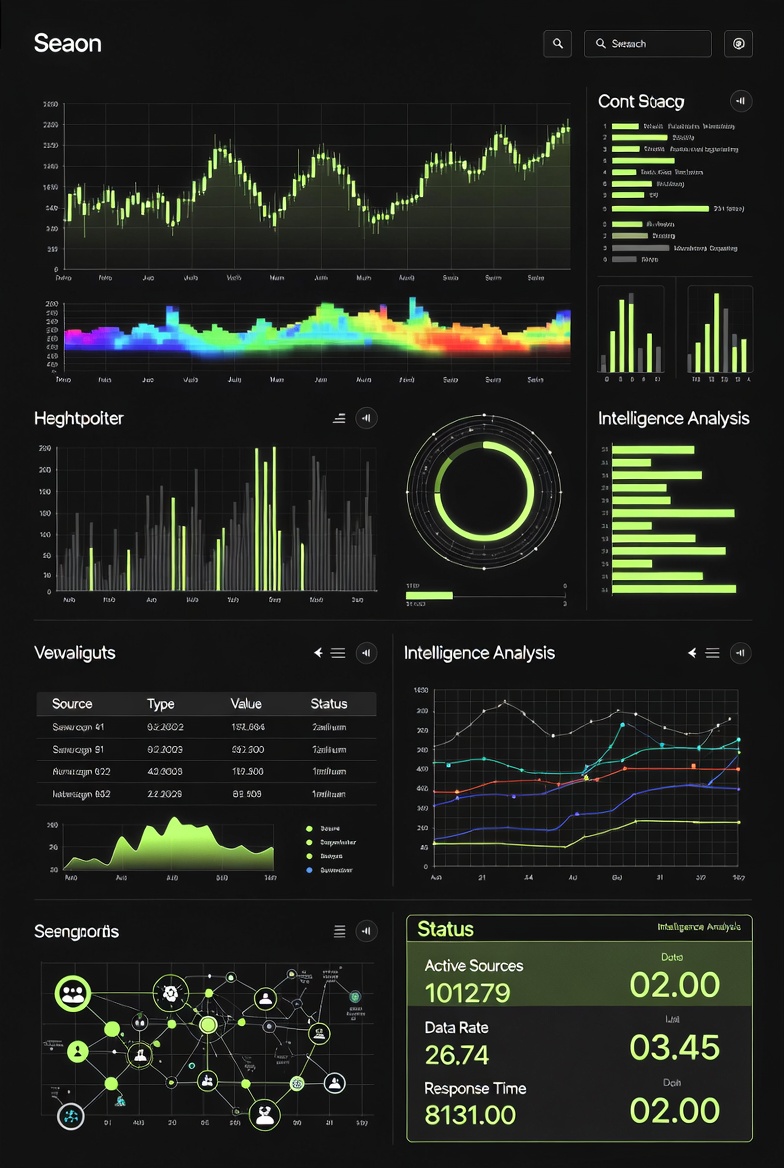
Mission-Critical Capabilities
Advanced intelligence tools designed for modern defense operations
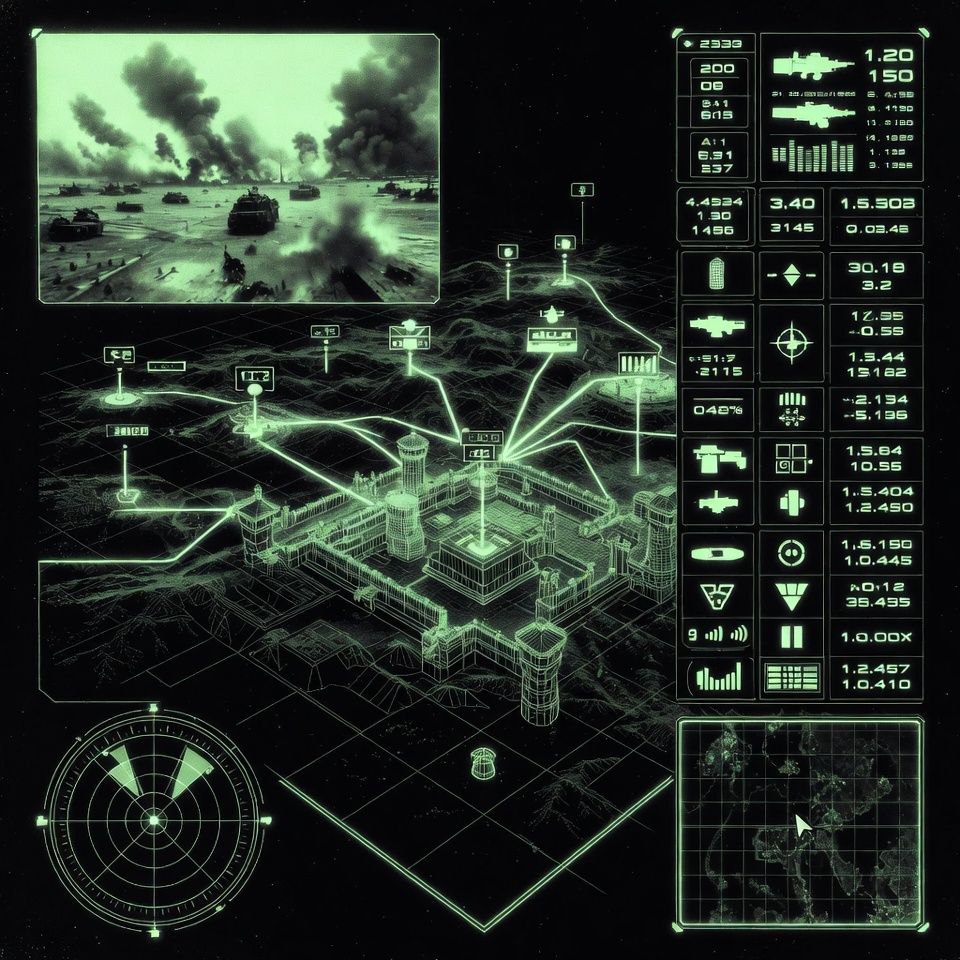
Battlefield Visualization
Turn complex terrain and operations into clear, real-time 3D environments. Make instant sense of troop movements, threats, and strategic positions.
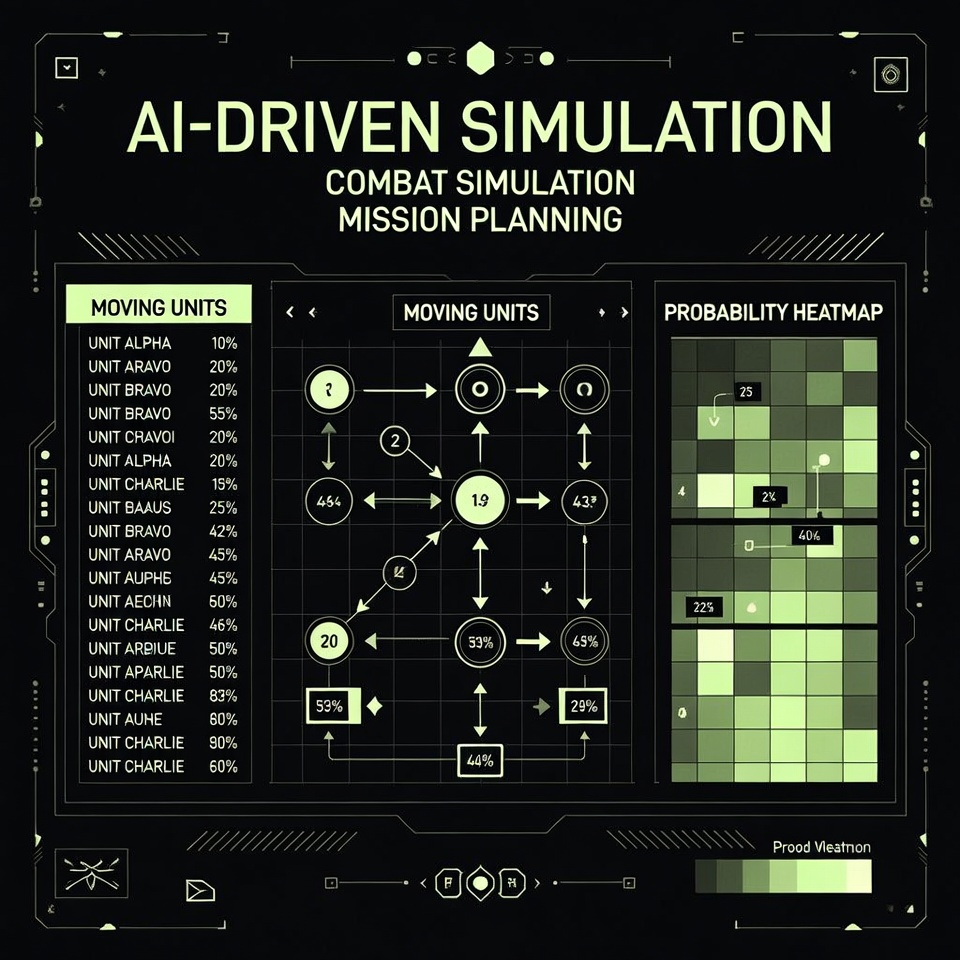
Battle Simulation
Predict outcomes before they happen. Run tactical scenarios, test strategies, and train units through realistic simulations.
Data Intelligence
Transform raw field data into actionable insights. Spot patterns, anticipate enemy actions, and support strategic planning.
Advanced Simulation Interfaces
Explore the cutting-edge tactical visualization systems powering modern battlefield intelligence
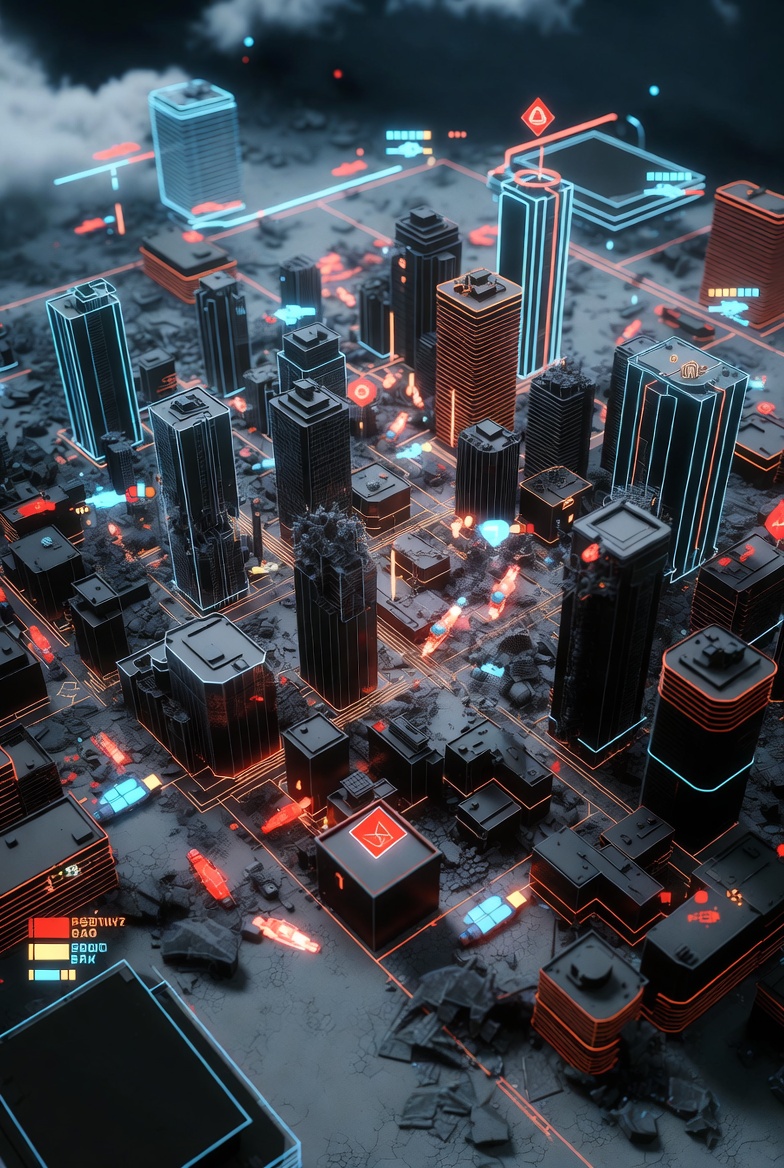
3D Tactical Mapping
Real-time 3D visualization with unit tracking and risk zone identification
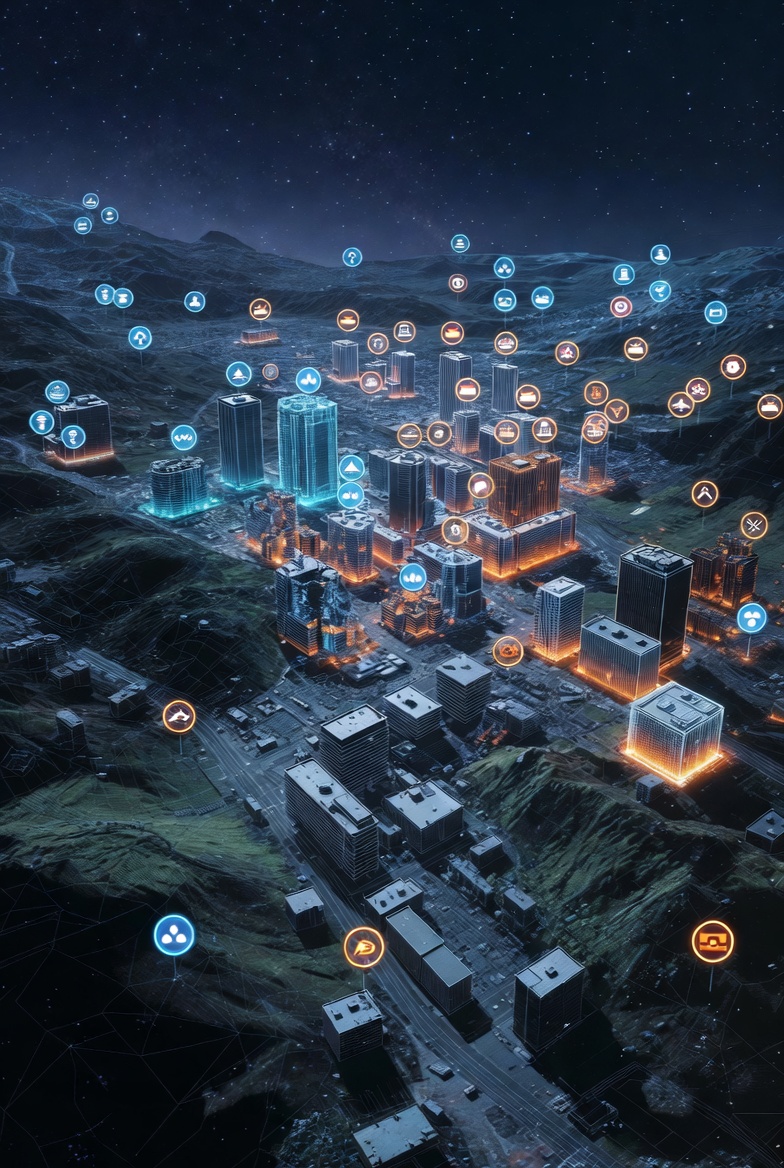
Drone Navigation Systems
Advanced drone coordination with live telemetry and path optimization
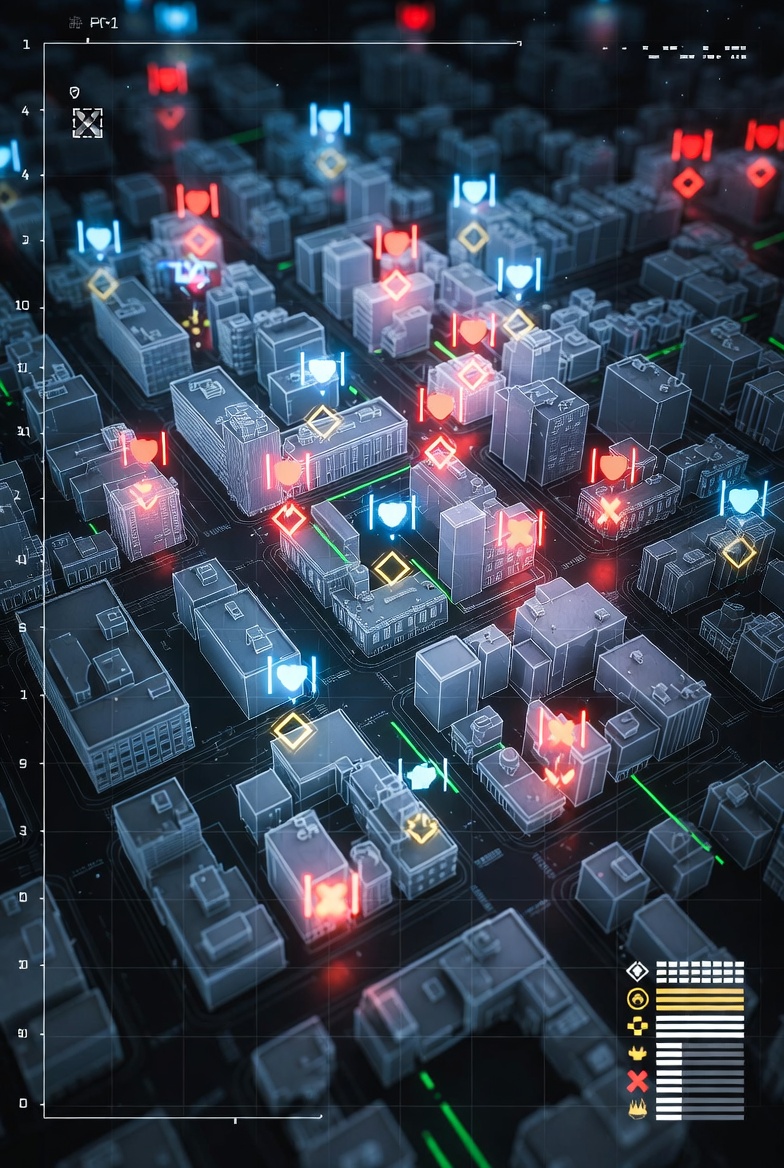
Aerial Command View
Strategic bird's-eye perspective with grid-based tactical overlays
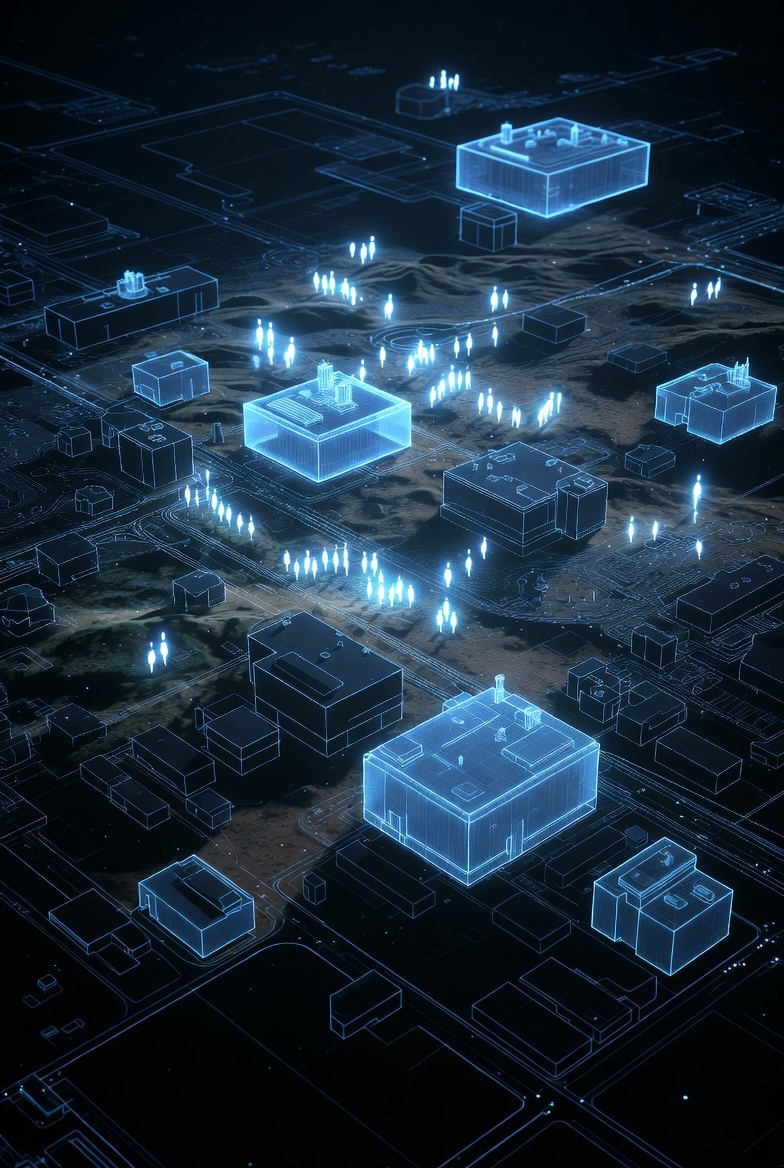
Urban Grid Analysis
Detailed city mapping with location-based intelligence markers
How STRATIS Works
Three powerful steps to transform battlefield intelligence
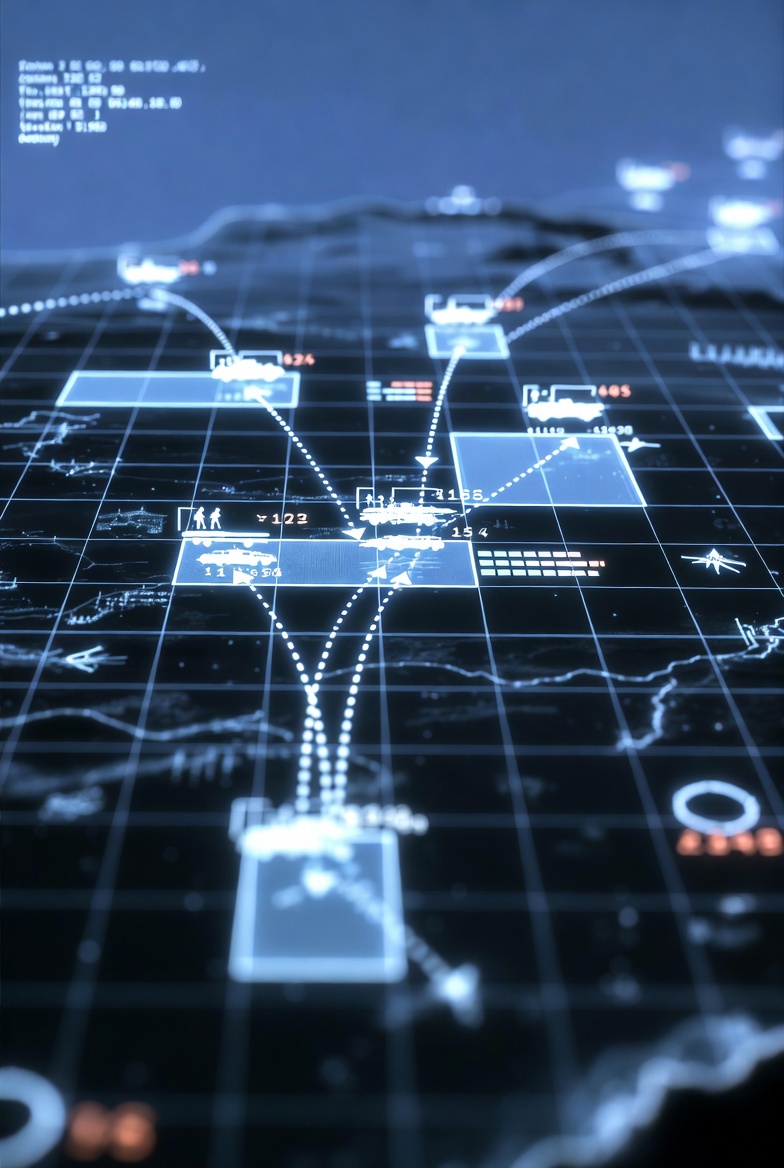
Collect
We aggregate multi-source data: terrain scans, aerial imagery, sensors, intelligence reports.
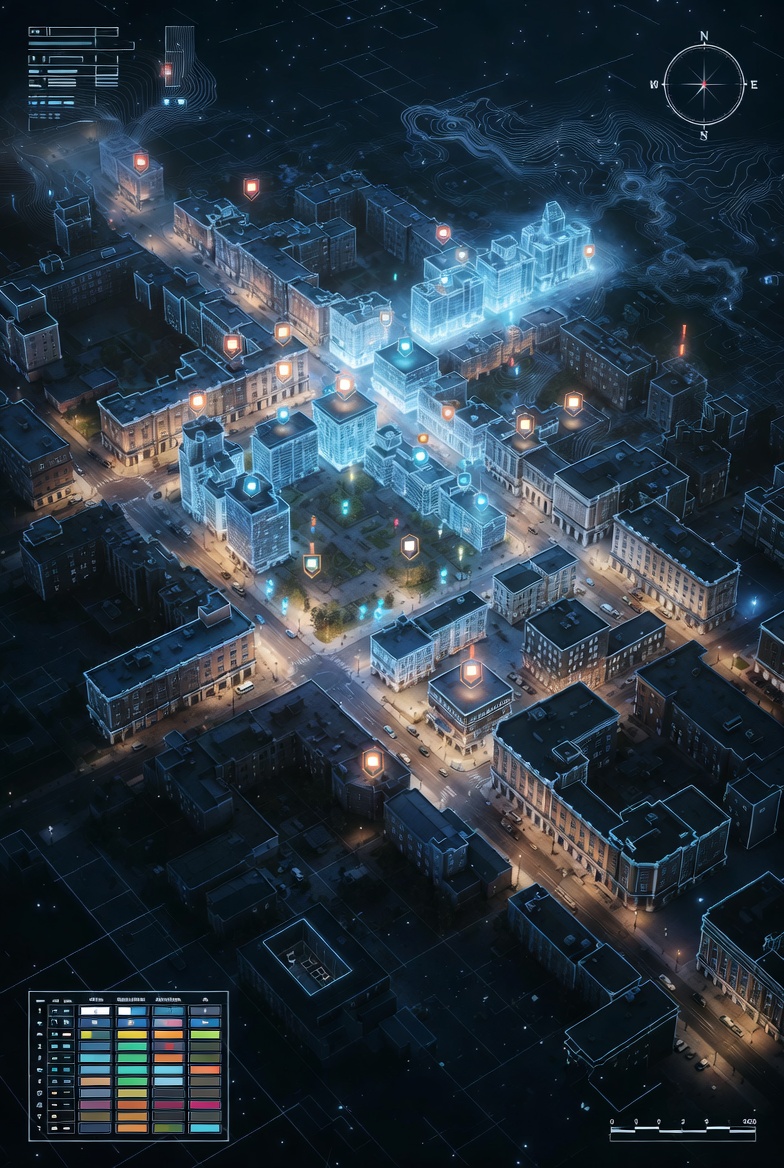
Simulate
Our engine builds a precise digital twin of the battlefield and projects potential outcomes.
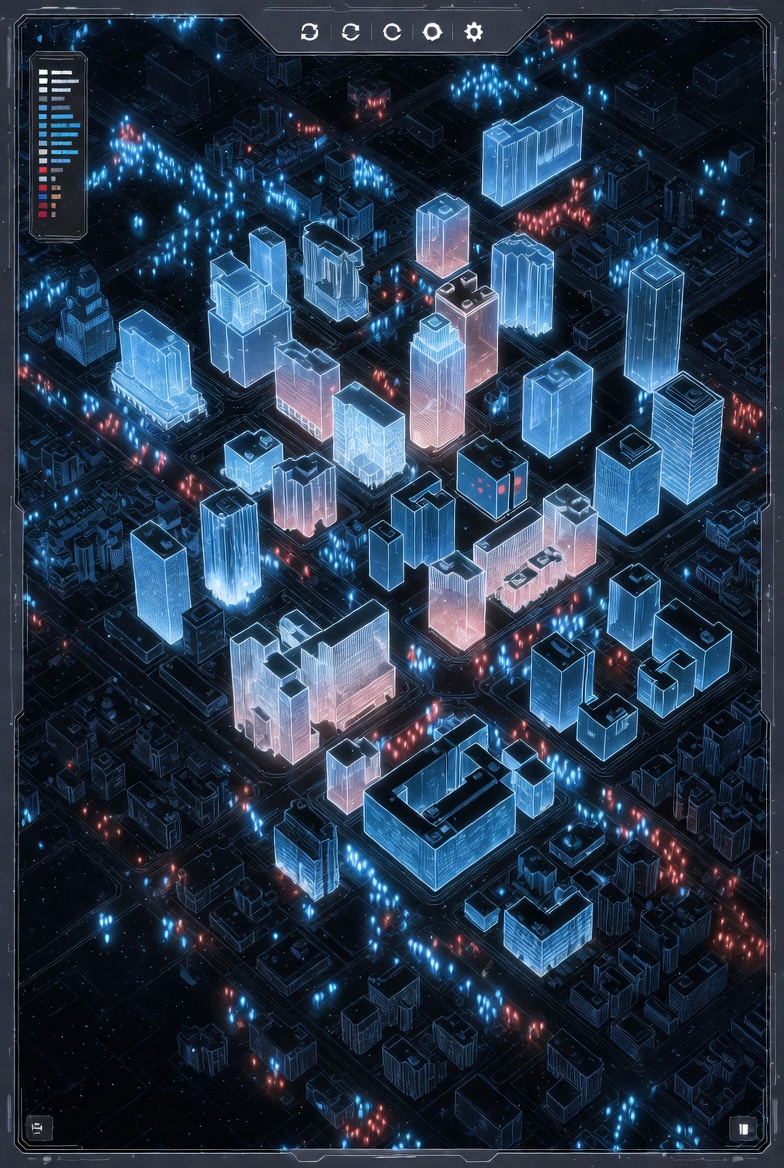
Analyze
Receive clear dashboards, strategic alerts, and predictive recommendations.
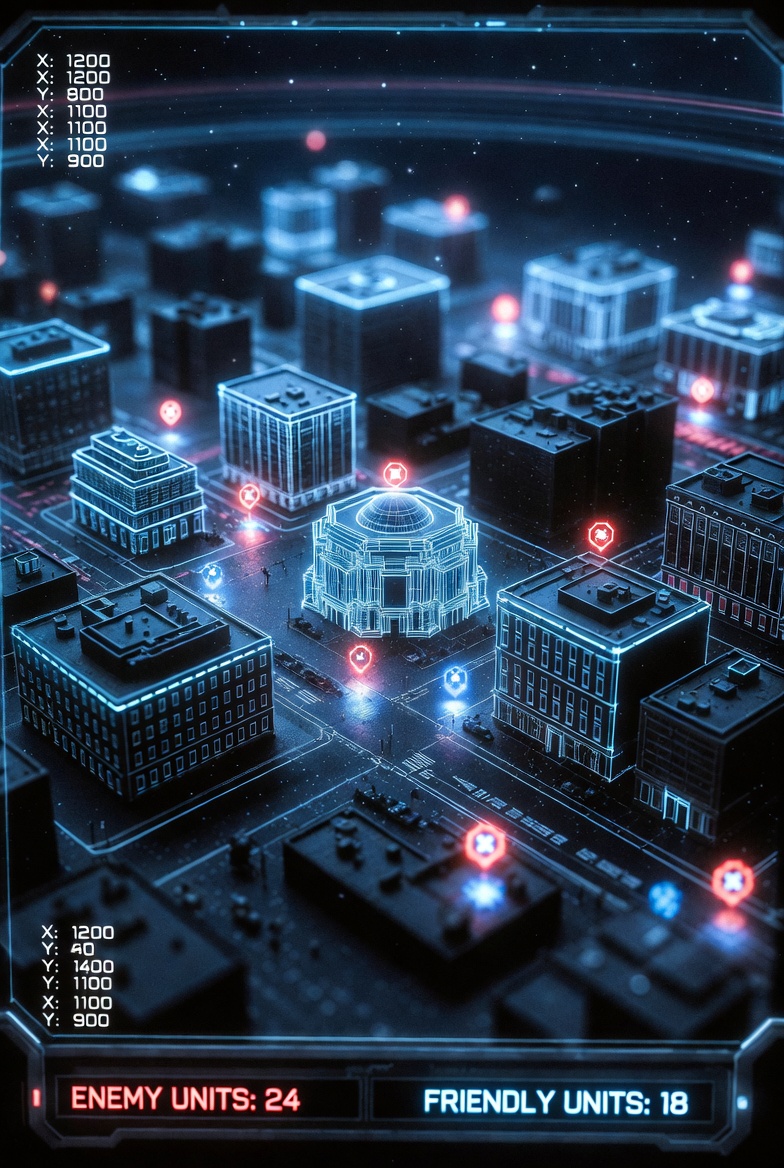
Why It Matters
Strategic advantages for modern defense operations
Make faster, smarter decisions
Access critical information instantly, without drowning in complexity.
Reduce operational risks
Simulate tactics before deploying them on the ground.
Train and brief with clarity
Use realistic digital twins to prepare teams with better situational awareness.
Case Example
Real-world applications of STRATIS technology
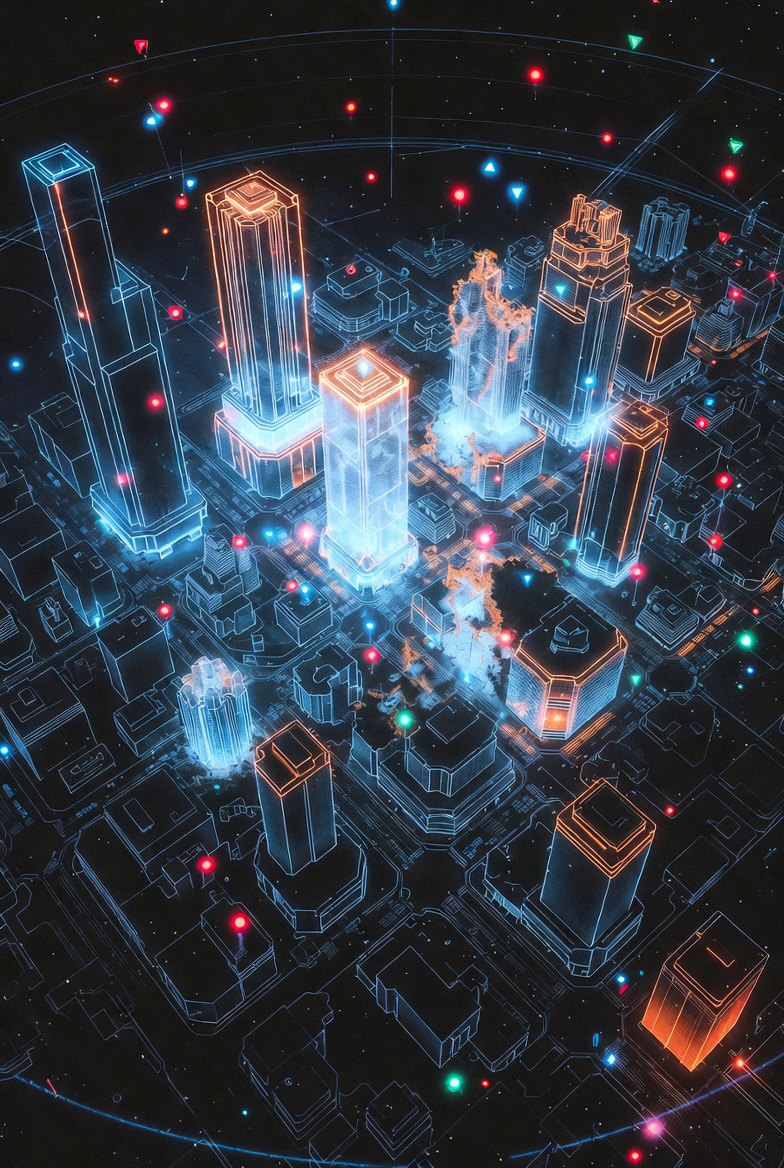
Urban Operation Digital Twin
STRATIS recreated a full-scale digital twin of an urban combat zone, allowing command units to test extraction routes, anticipate ambush patterns, and prepare units accordingly.
Improved mission success rates by 35%
Reduced exposure time by 40%
Enhanced team coordination and preparedness